
As the sports supplement industry continues to boom, understanding the landscape can be your ticket to success. With personalized solutions at the forefront of consumer preferences, this article unveils the essential steps to launch your own label effectively.
What You Will Learn
- The advantages of entering the private label sports supplements market, including low startup costs and brand control.
- Key consumer trends shaping the industry, such as the demand for plant-based options and sustainability.
- Popular product categories to focus on, including protein powder, creatine, and BCAAs.
- How to identify your target audience and niche for tailored marketing efforts.
- The importance of selecting a reliable private label manufacturer for quality products.
- Navigating regulatory and labeling requirements to ensure compliance and build customer trust.
- Creating a unique brand identity and compelling packaging design to attract consumers.
- Establishing effective fulfillment and sales channels to maximize product reach.
Essential Steps for Launching Your Own Label Sports Supplements
Follow these key steps to navigate the journey of launching your sports supplement brand successfully.
1. Define Your Target Audience
Identify demographics, interests, and buying behaviors to tailor your products effectively.
2. Select a Manufacturer
Choose a reliable private label manufacturer focused on quality and customization.
3. Understand Regulations
Familiarize yourself with FDA guidelines and labeling requirements for your products.
4. Create Unique Branding
Develop a strong brand identity that resonates with your target audience.
5. Set Fulfillment Channels
Determine your sales channels, whether online or through retail partnerships.
Understanding the Market for Your Own Label Sports Supplements
Diving into the private label sports supplements industry can be an exciting venture! With the growing awareness of health and fitness, consumers are increasingly looking for personalized solutions that fit their specific needs. Starting your own label not only allows you to tap into a booming market but also enables you to create products that resonate with your brand values and vision.
As someone who has navigated the world of sports nutrition, I understand how important it is to stand out in a crowded marketplace. With the right insights and strategies, you can position your products effectively and cater to a diverse range of consumers.
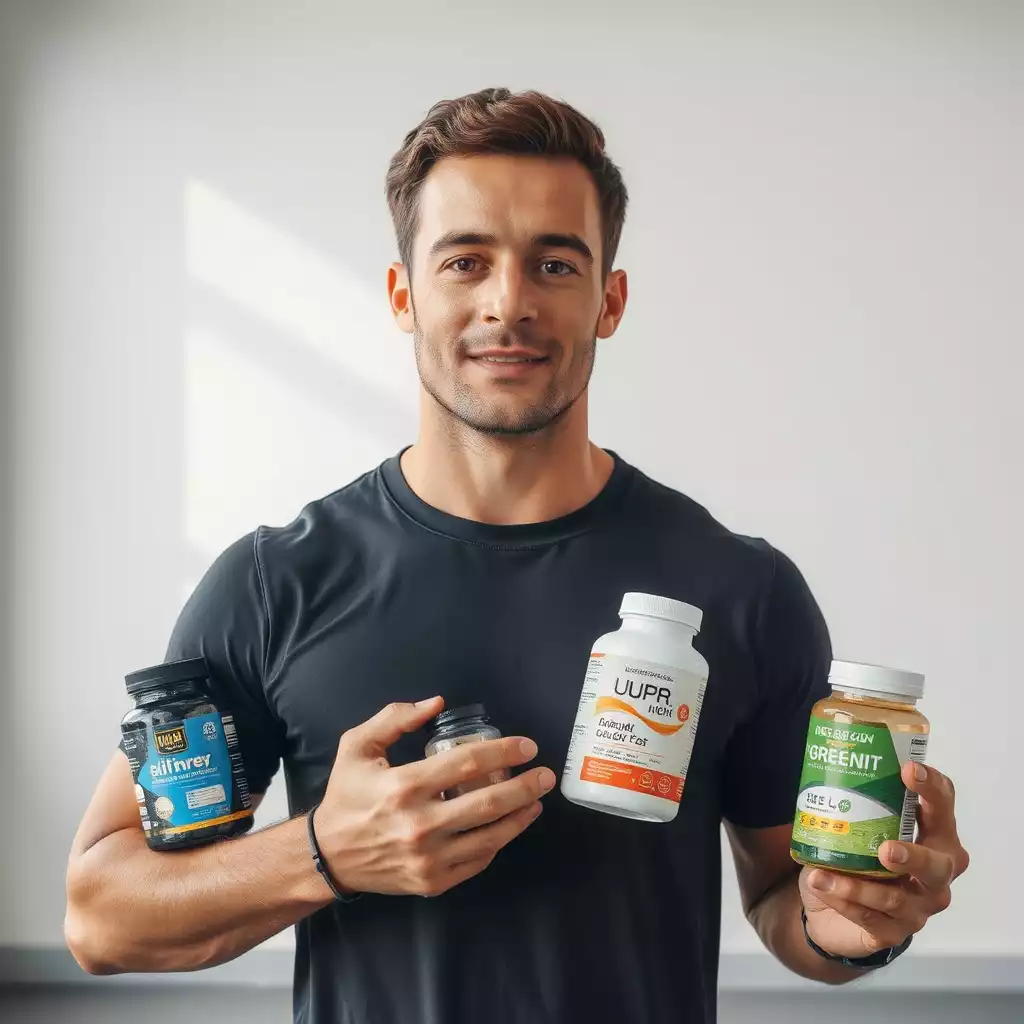
Why Enter the Private Label Sports Supplements Industry?
Entering this industry offers several compelling advantages. First, the demand for sports supplements is on the rise as more people focus on health, fitness, and wellness. By launching a private label, you have the opportunity to build a brand that reflects your unique perspective on wellness.
- Low Startup Costs: Private labeling often requires less investment compared to creating your products from scratch.
- Brand Control: You can create a brand identity that aligns with your values and caters to your target audience.
- Diverse Product Range: You can offer a variety of products, from protein powders to vitamins, addressing different consumer needs.
Moreover, entering a niche market within sports nutrition allows for targeted marketing efforts that speak directly to your audience’s interests and needs. This focused approach can significantly enhance your brand’s visibility and sales potential!
Identifying Trends and Consumer Preferences in Sports Nutrition
Understanding current trends is crucial for any business in the sports supplement realm. Consumer preferences shift rapidly, influenced by everything from scientific research to lifestyle changes. Keeping an eye on these trends can help you stay ahead of the competition.
- Plant-Based Supplements: More individuals are opting for vegan and plant-based options.
- Sustainability: Consumers are increasingly aware of environmental issues and prefer brands that prioritize sustainability.
- Personalization: Tailoring supplements to meet specific dietary needs is gaining traction.
These trends highlight the importance of adaptability in your business strategy. By aligning your product offerings with consumer interests, you’ll create a more appealing brand that resonates with your target audience.
Exploring Popular Categories: Protein Powder, Creatine, and BCAAs
When considering which products to launch, it’s essential to focus on popular categories that have proven consumer demand. Three of the most sought-after products in the sports supplement market include protein powder, creatine, and BCAAs.
- Protein Powder: A staple for fitness enthusiasts, available in various flavors and types, including whey, casein, and plant-based options.
- Creatine: Known for its ability to enhance performance and muscle growth, creatine is popular among athletes and bodybuilders alike.
- BCAAs: Branched-chain amino acids support muscle recovery and growth, making them a favorite among active individuals.
Each of these categories carries its unique selling points and potential for customization. By offering variations that cater to different dietary preferences and fitness goals, your brand can attract a wider customer base!
Engage with Us!
As you embark on your journey to launch your own label sports supplements, we want to hear from you! What aspect of starting your supplement brand excites you the most? Is it the creativity of product development, connecting with consumers, or navigating the regulatory landscape? Share your thoughts below!
Step-by-Step Guide to Launching Your Own Label Sports Supplements
Launching your own label sports supplements can be an exciting venture, and I’m here to guide you through the essential steps! By following a structured approach, you can avoid common pitfalls and set yourself up for success. Let’s dive into how to navigate this journey effectively.
First, it’s crucial to understand your target audience. Who are you creating these supplements for? Knowing your niche will help you tailor your products and marketing strategies effectively. This groundwork will serve as a solid foundation for your brand.
Defining Your Target Audience and Niche
Identifying your target audience is a vital first step. Are you focusing on athletes, fitness enthusiasts, or perhaps health-conscious individuals? Each group has different needs and preferences, so it’s important to really hone in on who you want to serve.
- Demographics: Age, gender, and fitness level play a significant role in your audience’s needs.
- Interests: Understand what types of supplements they are already using and what gaps you can fill.
- Buying Behavior: Are they more inclined to buy online or in-store?
By thoroughly researching these aspects, you can craft products that truly resonate with your audience’s desires. I’ve found that engaging with potential customers through surveys or social media can provide invaluable insights!
Selecting a Reliable Private Label Manufacturer
The next step is finding a trustworthy private label manufacturer. This is where your products will come to life, so it’s important to choose wisely. Look for manufacturers that have a solid reputation in the industry.
- Quality Assurance: Check for certifications and quality guarantees.
- Customization Options: Ensure they can meet your specific needs in terms of formulations and packaging.
- Pricing: Compare quotes and be mindful of minimum order quantities.
I recommend requesting samples before making a final decision. This way, you can assess the product quality firsthand and ensure it matches your vision.
Evaluating Minimum Order Quantities and Customization Options
When working with manufacturers, understanding the minimum order quantities (MOQs) is essential. This will impact your initial investment and inventory management. Some manufacturers may require larger orders, which could strain your budget as a startup.
- Flexibility: Look for manufacturers that offer lower MOQs for new businesses.
- Customization: Ensure they can tailor products to your specifications, like flavors and formulations.
Being clear about your product vision will help you communicate effectively with potential manufacturers and ensure they can deliver what you need.
Navigating Regulatory and Labeling Requirements
Understanding regulatory and labeling requirements is crucial in the sports supplement industry. This not only helps you stay compliant but also builds trust with your customers. It’s essential to familiarize yourself with the guidelines set forth by the FDA and other regulatory bodies.
- Research: Look into both federal and state regulations that may apply to your products.
- Consult Professionals: If possible, enlist the help of legal experts in dietary supplements.
Being proactive about compliance will save you time and headaches down the road! I’ve seen too many brands stumble due to oversights in this area.
Understanding FDA Compliance and International Regulations
Staying compliant with FDA regulations is non-negotiable for any supplement brand. Familiarize yourself with the guidelines regarding dietary ingredients, labeling, and health claims.
- Ingredient Safety: Ensure all ingredients meet FDA standards.
- Labeling Claims: Be truthful about the benefits and effects of your products.
If you plan to sell internationally, be sure to research the regulations in those markets as well. Regulations can vary significantly, and it’s essential to be informed.
Importance of Certificates of Analysis in Quality Assurance
Certificates of Analysis (COA) are crucial documents that verify the quality and purity of your supplements. Requesting a COA from your manufacturer ensures that the products are tested and meet the required standards.
- Testing: Look for independent labs that conduct the testing.
- Transparency: A reliable manufacturer should be willing to provide these documents.
Having COAs not only enhances product quality but also instills confidence in your customers about what they are consuming.
Key Labeling Regulations for Dietary Supplements
Labeling your supplements correctly is equally important as the product formulation itself. Misleading labels can lead to regulatory actions and damage your brand’s reputation.
- Ingredient Listing: List all ingredients clearly and accurately.
- Nutritional Information: Provide clear details about nutritional value and serving sizes.
- Health Claims: Make sure any claims are substantiated and compliant with regulations.
Investing time into understanding labeling requirements can ensure you create products that not only attract customers but also meet legal standards!
Creating a Unique Brand Identity and Packaging Design
Now that you have your product lined up, it’s time to focus on your brand identity and packaging design. This is where you can let your creativity shine! A strong brand identity sets you apart in a crowded market.
- Logo and Colors: Choose a logo that reflects your brand’s values and mission.
- Storytelling: Craft a compelling brand story that resonates with your audience.
Remember, packaging is often the first impression customers have of your product, so make it count!
Incorporating Effective Brand Storytelling
Your brand story is a powerful tool that can connect with customers on a personal level. Share your journey, motivations, and what makes your products unique. This authenticity can foster loyalty among your customers.
- Personal Touch: Include your own experiences or challenges in the industry.
- Mission Statement: Clearly articulate your mission and values.
People love to support brands they feel connected to, and storytelling is a great way to forge that connection.
Designing Packaging for Vegan and Gluten-Free Supplements
As you design your packaging, consider the dietary needs of your target audience. Vegan and gluten-free options are increasingly popular, and ensuring your packaging reflects this can attract more customers.
- Clear Labels: Indicate clearly if the product is vegan or gluten-free.
- Materials: Opt for sustainable packaging to appeal to environmentally-conscious consumers.
Thoughtfully designed packaging can make a significant difference in how your products are perceived on the shelf!
Establishing Fulfillment and Sales Channels
With everything in place, the final step involves establishing your fulfillment and sales channels. This is where you’ll decide how and where to sell your supplements, ensuring your products reach your customers.
- E-commerce Platforms: Consider popular platforms like Shopify or Amazon for online sales.
- Retail Partnerships: Explore opportunities for selling in local stores or gyms.
The right channels can help maximize your reach and generate sales. I’ve found that a mix of online and offline strategies often works best!
Leveraging E-commerce Platforms for Maximum Reach
Utilizing e-commerce platforms is crucial for today’s supplement brands. These platforms not only provide a marketplace but also come with built-in tools for marketing and analytics.
- SEO Optimization: Use relevant keywords in your product descriptions to enhance visibility.
- Social Media Integration: Share your products on social media to drive traffic to your online store.
Don’t underestimate the power of social media! It can be a game changer in reaching your target audience effectively.
Recap of Key Points
Here is a quick recap of the important points discussed in the article:
- Market Opportunity: The private label sports supplements industry is booming, offering low startup costs and the ability to create a diverse product range.
- Consumer Trends: Focus on popular trends such as plant-based options, sustainability, and personalized supplements.
- Target Audience: Clearly define your target audience’s demographics and preferences to tailor your products effectively.
- Manufacturer Selection: Choose a reliable private label manufacturer that offers quality assurance and customization options.
- Regulatory Compliance: Familiarize yourself with FDA guidelines to ensure your products meet safety and labeling requirements.
- Brand Identity: Develop a unique brand identity and packaging design that resonates with your audience and communicates your brand story.
- Sales Channels: Establish fulfillment and sales channels, leveraging e-commerce platforms and retail partnerships to maximize reach.
FAQs
- What are the benefits of entering the private label sports supplements market? Low startup costs, brand control, and a diverse product range are key advantages.
- What consumer trends are shaping the sports supplement industry? Trends include the demand for plant-based options, sustainability, and personalization.
- What popular product categories should I consider for my supplement brand? Consider focusing on protein powders, creatine, and BCAAs.
- How do I identify my target audience? Research demographics, interests, and buying behaviors to tailor your products effectively.
- Why is it important to select a reliable private label manufacturer? A reliable manufacturer ensures quality products and customization options for your brand.
- What regulatory requirements do I need to be aware of? Familiarize yourself with FDA guidelines and labeling requirements to ensure compliance.
- How can I create a unique brand identity? Develop a strong brand identity through logo design, storytelling, and packaging that resonates with your audience.
- What sales channels should I consider for my products? Explore e-commerce platforms and retail partnerships to maximize your product reach.






 In the quest for optimal fitness and muscle growth, many individuals turn to muscle building supplements to enhance their results. Whether you’re a beginner or an experienced bodybuilder, these supplements can play a significant role in your fitness journey. At


 Starting your own Brand Private Label Supplements business can be an exciting venture! It offers a unique opportunity to tap into the growing health and wellness market. With the right knowledge and preparation, you can create a brand that resonates with consumers looking for quality nutritional products.

 Rising interest in plant-based and organic products
 Low startup costs
 Flexibility in product offerings
 Favorable profit margins (30% to 50%)
 Minimized manufacturing costs
 Reduced need for inventory space
 Lower marketing expenses

 Forms of Acai Supplements: Acai berries are available in various forms including powders, capsules, and juices, each with unique benefits.
 ection, I will summarize the key advantages of incorporating these supplements into your diet. Understanding the value they can bring to your health is essential for making informed decisions.
